
A Smarter Approach Between Training Sessions
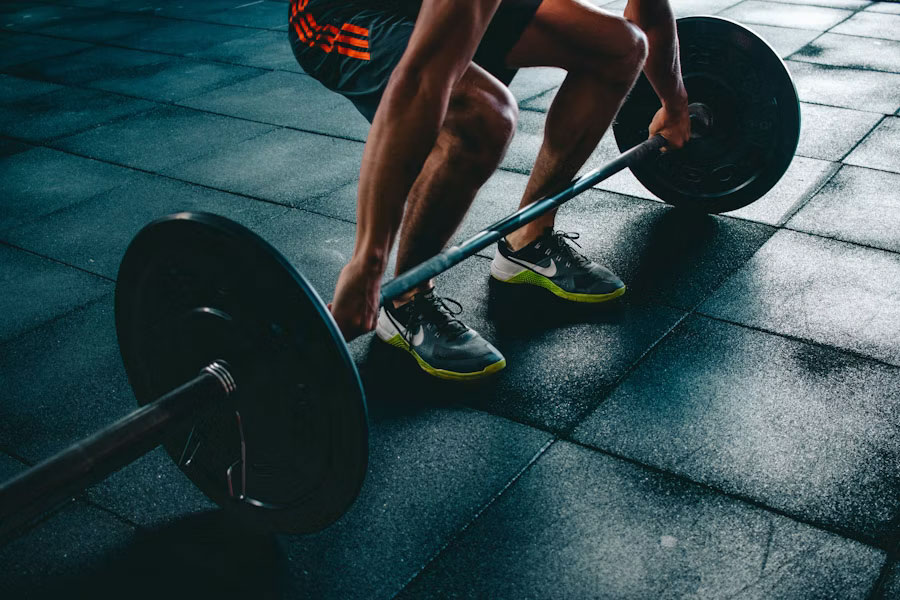
Progress does not happen only while you are exercising. What you do between training sessions can influence how comfortably you move, how consistently you perform and how prepared your body feels for the next workout.
Effective workout recovery is more than taking an occasional rest day. It involves balancing training demands with sleep, nutrition, hydration, mobility and appropriate movement. It also means recognizing when persistent soreness, fatigue or reduced performance may require changes to your program.
At Inklein in Kleinburg, our personal trainers and health practitioners help active adults and athletes throughout Vaughan, Woodbridge, Nobleton, King City, Bolton and surrounding communities develop a smarter approach to training and recovery.
Why Recovery Matters
Exercise places physical demands on your muscles, joints and nervous system. Recovery gives your body time to adapt to those demands before your next training session.
Without enough recovery, repeatedly adding more weight, volume or intensity may leave you feeling increasingly tired, stiff or uncomfortable. Your technique may also begin to change as your body compensates for fatigue or restricted movement.
A balanced recovery strategy can help support:
-
Consistent training performance
-
Healthy muscle and joint function
-
Improved mobility between workouts
-
Gradual strength development
-
Better exercise technique
-
Reduced muscular tension
-
A more sustainable training routine
-
A confident return to exercise after injury
Recovery does not mean avoiding activity. It means making intentional choices that prepare your body for what comes next.
Signs You May Need More Recovery
Some muscle fatigue after exercise can be expected, especially when beginning a new program or increasing your training demands. However, soreness should not be the only measure of whether a workout was effective.
Your current recovery strategy may need attention if you regularly experience:
-
Soreness that continues into several training sessions
-
Persistent joint or muscle discomfort
-
Declining strength or athletic performance
-
Unusual fatigue during familiar exercises
-
Difficulty completing your normal workouts
-
Reduced motivation to train
-
Stiffness that affects everyday movement
-
Poor sleep following intense exercise
-
Changes in lifting or running technique
-
Recurring discomfort in the same area
Persistent or worsening pain should not simply be trained through. A physiotherapist, chiropractor or other qualified health professional can assess the problem and help determine an appropriate next step.
The Foundations of Workout Recovery
There is no single technique that guarantees faster recovery. The most effective approach considers your training program, sleep, daily activity, nutrition, stress and individual health needs.
Prioritize Consistent Sleep
Sleep is one of the most important parts of physical and mental recovery. A consistent sleep schedule can help you feel more alert, focused and prepared for exercise.
Adults should generally work toward seven to nine hours of good-quality sleep each night. Individual needs vary, but regularly sacrificing sleep to fit in more training may eventually work against your performance goals.
A practical sleep routine may include consistent bed and wake times, a comfortable sleeping environment and less screen exposure immediately before bed.
Support Your Body With Nutrition and Hydration
Training increases your body’s need for energy and fluids. Regular meals containing adequate protein, carbohydrates, healthy fats and micronutrients can help support your active lifestyle.
Hydration needs vary based on exercise intensity, duration, temperature and individual factors. Drinking fluids throughout the day is usually more effective than trying to compensate immediately before or after a workout.
People with specific nutritional concerns should speak with an appropriate healthcare provider. At Inklein, naturopathic care can include individualized discussions about nutrition, lifestyle and wellness goals.
Use Active Recovery Intentionally
A recovery day does not always need to involve complete rest. Gentle movement may help reduce stiffness and keep you active without repeating the demands of a challenging workout.
Active recovery may include:
-
Walking
-
Light cycling
-
Gentle swimming
-
Controlled mobility exercises
-
Low-intensity strength work
-
Breathing exercises
-
Easy movement through comfortable ranges
The appropriate activity depends on what you trained, how you feel and what your next session requires. Active recovery should leave you feeling refreshed rather than more fatigued.
Maintain Functional Mobility
Mobility work can help you maintain the joint movement and muscular control required for exercise. Instead of performing random stretches, focus on the areas involved in your training and the movements that feel restricted.
For example, a runner may benefit from addressing ankle and hip mobility. Someone performing overhead strength exercises may need to work on the shoulders and upper back. Golfers and hockey players may require a combination of hip, ankle and rotational mobility.
A physiotherapist, chiropractor or personal trainer can help identify mobility exercises that are appropriate for your body and training goals.
Balance Training Stress
A smart exercise program does not train every movement at maximum intensity every day. It balances challenging sessions with lower-intensity training, rest and gradual progression.
Your weekly plan may alternate between strength training, conditioning, mobility work and recovery sessions. It may also vary the muscles or movement patterns being trained.
A personal trainer can help manage exercise selection, training volume and progression so that your program challenges you without ignoring recovery.
Recovery Is Personal
The recovery strategy that works for someone else may not be right for you. Training experience, age, injury history, occupation, sleep quality, stress and current fitness can all affect how much recovery you need.
A competitive athlete may require a plan built around practices and games. A working professional may need to address long periods of sitting, limited sleep or workplace stress. Someone returning to exercise after an injury may require a gradual transition from rehabilitation to strength training.
This is why personalized training and professional assessment can be valuable. The goal is to understand how your body responds to exercise and build a plan you can follow consistently.
How Inklein Supports Training Recovery
Inklein is a multidisciplinary health, wellness and personal training clinic in Kleinburg. Our personal trainers and healthcare practitioners can work independently or collaboratively to help you move, recover and train more effectively.
Depending on your needs, your recovery plan may involve one or more of the following services.
Personal Training in Kleinburg
Inklein personal trainers focus on functional movement, mobility, exercise quality and long-term strength. Your trainer can adjust exercise intensity, volume and technique based on your abilities, training history and goals.
Personal training may be helpful if you want to build strength, improve athletic performance, return to regular exercise or follow a more structured workout and recovery plan.
For people searching for a personal trainer in Kleinburg, personal training in Vaughan or functional fitness near Woodbridge, Inklein offers individualized coaching in a multidisciplinary environment.
Physiotherapy and Exercise Recovery
An Inklein physiotherapist can assess pain, mobility, strength and movement patterns when soreness or an injury is affecting your training.
Physiotherapy treatment may include manual therapy, mobility work, strengthening, exercise rehabilitation and education. Your physiotherapist can also help guide a gradual return to exercise following an injury.
If you are looking for a physiotherapist in Kleinburg, physiotherapy in Vaughan or sports injury rehabilitation near Woodbridge, our clinic provides personalized care based on your condition and recovery goals.
Chiropractic Care
Chiropractic care at Inklein takes a comprehensive approach to joint, muscle and movement concerns. Treatment may include soft-tissue therapy, mobilizations, adjustments, medical acupuncture, mobility exercises and strengthening.
A chiropractor may help identify movement restrictions or compensatory patterns that are affecting your workouts, posture or everyday activities.
Registered Massage Therapy
Registered massage therapy may help address muscular tension and promote relaxation between demanding training sessions. Your registered massage therapist can tailor treatment to the areas affected by exercise, repetitive movement or physical stress.
Massage therapy may also be integrated with personal training, physiotherapy or chiropractic care as part of a broader recovery plan.
Acupuncture and Shockwave Therapy
Medical acupuncture may be incorporated into a treatment plan when appropriate for muscular pain, tension or movement dysfunction.
Shockwave therapy may be recommended by an Inklein physiotherapist or chiropractor for certain persistent tendon and soft-tissue conditions. These treatments require an assessment to determine whether they are suitable for your condition.
Recovery for Athletes and Active Adults
Recovery matters whether you are training for a competitive sport, exercising recreationally or simply trying to stay active.
Golfers may need to manage rotational stress through the hips, back and shoulders. Hockey players often balance strength training with practices, games and demanding skating positions. Runners may need to monitor training volume while maintaining mobility and strength through the feet, ankles, knees and hips.
A coordinated recovery plan can help you prepare for your next session while addressing the specific physical demands of your sport or activity.
Training and Recovery Near Vaughan
Inklein welcomes clients from Kleinburg, Vaughan, Woodbridge, Nobleton, King City, Bolton, Brampton and nearby communities.
Whether you need personal training, physiotherapy, chiropractic care, registered massage therapy or a professional movement assessment, our team can help you build a recovery strategy around your body, lifestyle and goals.
Instead of waiting until soreness or fatigue interrupts your routine, make recovery a planned part of your training.
Train, Recover and Move Forward
Smarter recovery is not about doing less. It is about giving every training session a clear purpose and allowing your body the time and support it needs between workouts.
The personal trainers and health practitioners at Inklein can help you improve movement quality, manage training demands and create a more sustainable approach to fitness.
Book a personal training consultation or practitioner assessment at our Kleinburg clinic and take the next step toward better movement, more effective recovery and lasting strength.
Ready to begin?
Your strongest self is closer than you think.
Book your session with INKLEIN today and let's build a plan that works for you.